The Power of Personalisation in E-commerce: Why It Matters and How to Do It Right
March 24, 2025 in E-commerce
Imagine that You open your favourite shopping app, and right on the homepage are products exactly matching your recent searches, style, and budget. Well, you don’t have to imagine that. You must be experiencing this time and time again nowadays!
Do you think it is a coincidence? Nope. Absolutely not. This phenomenon is how personalisation is introduced in e-commerce.
Companies like Netflix and Flipkart thrive because they make customers feel valued and understood right down to their buying habits and behaviour. They do not treat their customer as yet another anonymous shopper.
Custom ecommerce website development now thrives with personalisation and in this article, we will explore why it matters to businesses worldwide along with the best approach to implement it in your business.
Why Personalisation Matters in E-commerce
Personalisation transforms e-commerce from a basic transaction into an interactive experience. It creates deeper relationships, increases sales, and makes customers feel individually catered to. Now feeling important is a proper compelling enticement, don’t you think?

Here’s what personalisation sets out to achieve:
- Improved Customer Experience: Shoppers quickly find what they’re looking for without endless scrolling, reducing frustration and improving satisfaction.
- Higher Conversion Rates: Tailored recommendations lead directly to increased purchases by presenting exactly what customers desire.
- Enhanced Customer Loyalty: Personalised interactions show customers they’re valued, encouraging repeated purchases and brand loyalty.
- Reduced Cart Abandonment: Personalised reminders and targeted incentives push customers toward completing purchases.
Amazon, for instance, attributes 35% of its revenue directly to its recommendation system. Similarly, Nike boosted repeat customer purchases through personalised email marketing.
How Personalisation Influences Buying Behaviour
Personalisation works because it addresses the fundamental human desire to be recognised and understood. Customers respond positively when brands show they genuinely know their preferences and shopping habits.
- Dynamic Content: Personalised web pages that adapt to user preferences make browsing feel effortless and relevant. Netflix’s homepage, customised based on viewing history, keeps viewers consistently engaged.
- Targeted Promotions: Offering deals based on past purchases and browsing history boosts impulse buying and regular shopping habits.
- Behavioural Nudges: Reminding customers about abandoned carts or products they’ve previously viewed increases conversion significantly.
- Increased User Engagement: Personalised push notifications, like Zomato’s tailored food suggestions that was started in 2016, directly encourage immediate action and repeat usage.
Evolution of Personalisation Strategies
The way businesses personalise customer experiences has evolved dramatically over recent years:
| Period | Dominant Strategy | Key Technologies | Impact |
| Early 2000s | Basic Email Marketing | CRM databases, Manual Segmentation | Initial customer engagement |
| 2010s | Automated Recommendations | Machine Learning, Collaborative Filtering | Improved conversion rates and customer retention |
| 2020-Present | Real-time Personalisation | AI, Big Data Analytics, Predictive Modelling | Exceptional customer experiences, significantly boosted loyalty and sales |
Advanced Personalisation Strategies in Recent Years
Modern e-commerce now leverages sophisticated approaches to deeply personalise shopping experiences:
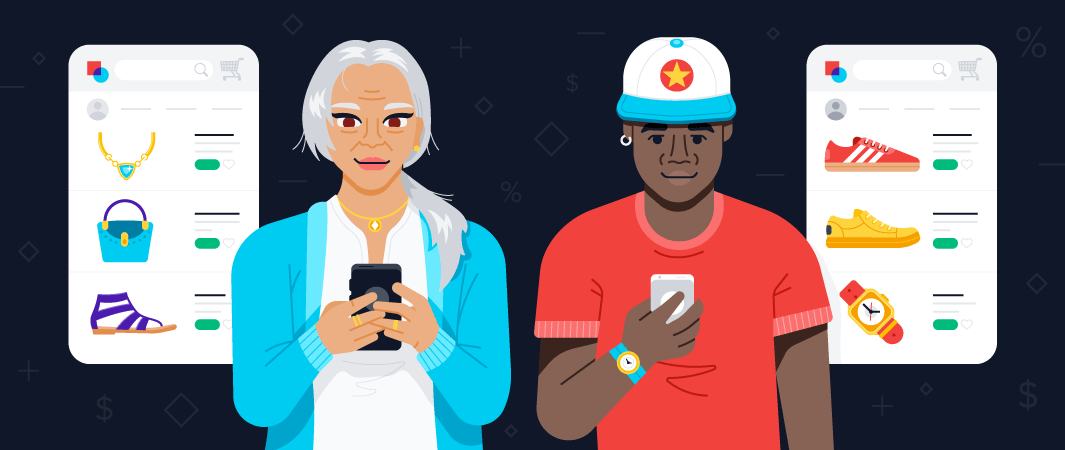
Above image reference if from here.
- Predictive Analytics: Anticipating customer needs based on historical data, trends, and real-time interactions. These analytics effectively boost conversion rates by proactively offering relevant products or services.
- AI-driven Chatbots: Personalised assistance through real-time conversations enhances customer support and interaction. They reduces friction by instantly resolving customer queries, increasing satisfaction.
- Contextual Personalisation: Adjusts content and promotions based on a customer’s current context—location, weather, time of day.
- Omnichannel Personalisation: Unified experiences across multiple channels (web, mobile, social media, physical stores). It encourages seamless interactions and continuous customer engagement across all touchpoints.
Implementing Effective Personalisation Strategies
Success hinges on thoughtful execution, starting with selecting a capable ecommerce website development company in India that can seamlessly integrate personalisation into your online store.
Step 1: Collect and Analyse Data
- Use analytics tools like Google Analytics, Mixpanel, or Adobe Analytics to gather detailed insights.
- Capture data from user interactions, purchase history, demographic information, and real-time behaviours.
- Regularly audit data for accuracy and compliance with privacy standards like GDPR.
- Leverage data analytics to predict trends and refine personalisation techniques continuously.
Step 2: Customer Segmentation
- Divide customers into clear, meaningful segments based on interests, past behaviours, demographics, and buying frequency.
- Use automated segmentation tools for accuracy and scalability.
- Continuously update segments based on new data and customer interactions.
- Example: Myntra’s segmentation strategy helps tailor promotional messages, significantly increasing engagement and conversions.
Step 3: Deliver Personalised Experiences
- Implement advanced AI-driven product recommendation systems to match products to individual preferences accurately.
- Personalise website content dynamically to match each user’s journey and interests.
- Send timely personalised email campaigns and notifications based on user behaviour.
- Use retargeting ads effectively to reconnect with visitors who’ve previously shown interest but didn’t purchase. Example: Nykaa significantly increased sales through AI-driven product recommendations and advertising to tailor the products precisely to user preferences.
Step 4: Continuous Testing and Optimisation
- Employ regular A/B testing to refine product recommendations, emails, and promotions.
- Use heatmaps and session recordings to understand user behaviour better.
- Track and measure success metrics such as click-through rates, conversions, and customer satisfaction regularly.
- Constantly adjust strategies based on feedback and measurable outcomes.
Partnering for Personalisation Success
Choosing an experienced ecommerce website development company in India is critical. Look for developers with proven expertise in creating engaging, data-driven, personalised experiences. Assess their ability to integrate advanced personalisation tools, handle data responsibly, and scale solutions effectively. A trusted partner ensures your strategy moves beyond just ideas into impactful execution.
Personalisation isn’t simply about driving sales; it’s about creating memorable experiences that keep customers coming back again and again. Brands like Flipkart, Netflix, and Zomato have proven how effectively personalisation can elevate customer satisfaction, engagement, and ultimately profitability.