What Are Brand Guidelines? Examples & Benefits
January 15, 2025 in Branding
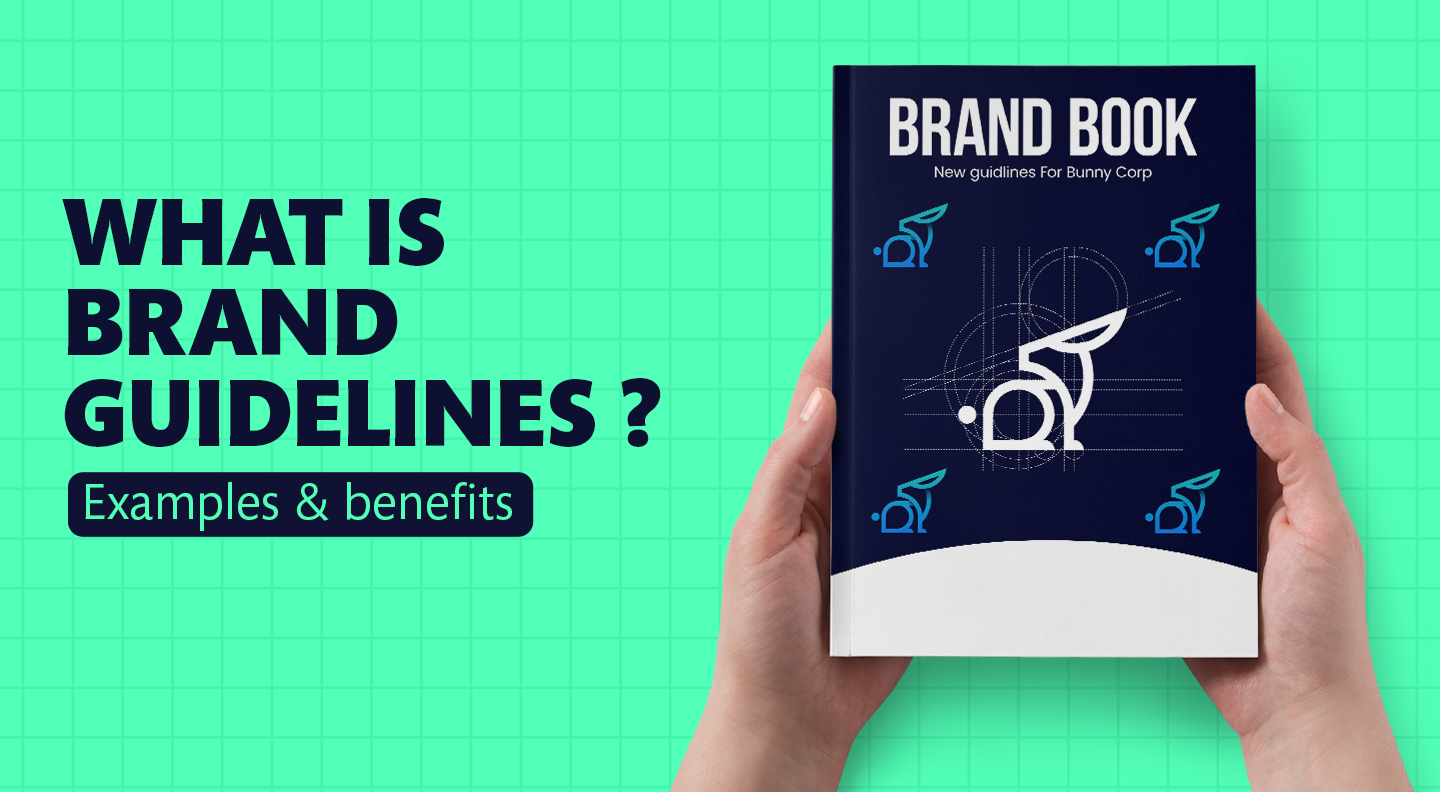
Branding is more than just a logo or a tagline. It’s the entirety of how a business communicates its identity, values, and purpose to the world.
This is where a branding agency steps in—offering a structured framework that ensures every element of your brand stays consistent and impactful.
First of all, let’s understand the importance of a brand book for any organisation.
What Is a Brand Book?
A brand book is the blueprint of your brand’s identity. It outlines:
- Core Values: The principles that drive your business forward.
- Visual Identity: Logos, colours, typography, and imagery.
- Voice and Tone: The way your brand communicates with its audience.
- Messaging Framework: Key messages tailored for different platforms.
- Usage Rules: Guidelines for maintaining consistency in presentations, advertisements, and digital assets.
With a well-defined brand book, every stakeholder knows how to represent your brand with clarity and precision.
How to Create Your Brand Book
An organised brand book can help an organisation define its identity in the market along with its markers on visual, content, and messaging front. Without a brand book, companies usually go haywire on how to represent the brand in the best possible manner.
1. Define Your Mission and Vision
Outline the purpose of your business and the impact you aim to create. This will anchor every element of your branding.
2. Build a Visual Framework
- Establish primary and secondary colour palettes.
- Choose fonts that reflect your brand’s personality.
- Include imagery guidelines for photography and graphics.
3.Set Communication Standards
Define how your brand speaks—whether it’s casual, formal, or somewhere in between. Include examples of approved phrases or taglines.
4. Include Usage Scenarios
- Print and digital media rules.
- Social media templates.
- Guidelines for merchandise and packaging
5.Incorporate Flexibility
- Allow room for creativity within the framework, ensuring your brand evolves without losing its core identity.
- Next, let us explore why you need specific logo guidelines based on their usage across different mediums.
Why Do You Need Logo Guidelines?
Your logo is a powerful symbol of your brand. Without clear logo guidelines, its impact can be diluted. Here’s what logo guidelines ensure:
- Correct Placement: Specifies where and how the logo should appear.
- Proportional Usage: Defines the minimum and maximum sizes for clarity.
- Colour Variants: Details which colour versions (full-colour, monochrome, or reversed) to use in different scenarios.
- Clear Space Rules: Ensures the logo isn’t crowded by other elements.
- Prohibited Alterations:Prevents unauthorized modifications like stretching, recolouring, or adding effects.
Clear logo guidelines ensure that your visual identity remains professional and recognizable across all mediums.
The Benefits of Brand Guidelines
1.Consistency Across Platforms
From social media posts to print ads, consistent branding creates a cohesive image, making your business easily recognizable.
2.Enhanced Credibility
When every detail aligns—colours, fonts, and tone—your brand appears polished and trustworthy.
3.Faster Onboarding
New hires or external partners can quickly understand and represent your brand correctly with a clear reference guide.
4.Efficiency in Content Creation
Teams save time and avoid guesswork with predefined templates and rules.
5.Stronger Emotional Connection
Consistency fosters familiarity, and familiarity builds trust. Audiences feel more connected to brands that present a unified identity.
6.Future-Proofing
Guidelines act as a roadmap for scaling your branding efforts without losing the essence of your identity.
Examples of Great Brand Guidelines
Airbnb’s guidelines emphasize inclusivity. Their design elements and messaging revolve around the concept of belonging. Similarly, Spotify’s guidelines capture its vibrant and dynamic identity with clear rules for colour, typography, and imagery that align with its brand’s energy.
Talking of tech giants, Google’s guidelines ensure that the brand remains approachable and functional, from logos to user interfaces while Apple’s attention to detail covers everything from logo placement to product photography in all its minimal and clean styling.
Why Work with a Branding Agency like Litmus?
Developing effective brand guidelines requires expertise and experience. A professional branding agency like Litmus can help:
- Conduct in-depth research to align your branding with audience preferences.
- Craft comprehensive guidelines tailored to your business needs.
- Ensure your brand remains relevant in a competitive market.
- Create scalable frameworks for future growth.
Partnering with experts at Litmus ensures that your brand’s identity is both unique and enduring.
Final Thoughts
Brand guidelines aren’t just about aesthetics. They’re the backbone of your identity, ensuring consistency, trust, and recognition. By investing in a detailed brand book and clear logo guidelines, you lay the foundation for long-term success.
Ready to elevate your brand? Consult with a professional branding agency and create guidelines that leave a lasting impression.